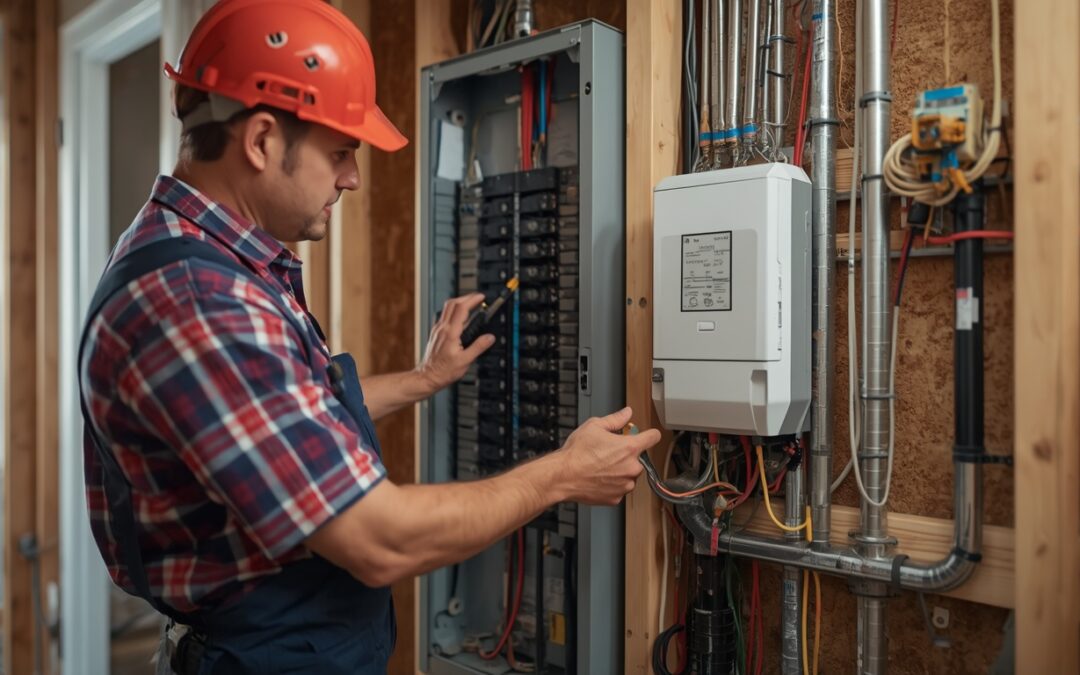
Whole-home surge protection is an electrical device installed near a home’s electrical service equipment that helps limit transient voltage spikes before they reach household circuits. It offers broader protection than plug-in surge protectors, which only guard the device plugged into them. Professional installation by a licensed electrician salt lake city homeowners trust, like Butler Electric, ensures the device is matched to your home’s electrical system and installed safely.
A sudden flicker runs through the house. The lights dim for a second, the refrigerator hums oddly, and the television resets itself. Nothing seems broken, but the moment leaves many homeowners wondering what just happened to their electronics.
That brief disturbance was likely an electrical surge, a short spike in voltage that can pass through a home’s wiring in a fraction of a second. Most surges go unnoticed, but repeated exposure can gradually wear down sensitive electronic components inside appliances, computers, and smart home devices.
Understanding whole-home surge protection before an unexpected event happens gives homeowners in Salt Lake City, Sandy, Riverton, and nearby communities a clearer picture of how to protect their household investments. This guide breaks down what surge protection actually does, what causes surges, and what homeowners should expect from professional installation.
What Is Whole-Home Surge Protection?
An electrical surge is a temporary increase in voltage that exceeds the normal flow of electricity through a circuit. Even a surge lasting a fraction of a second can affect sensitive electronic components if it’s strong enough.
A surge protective device (SPD), often called a whole-home surge protector, is designed to limit how much of that excess voltage reaches the circuits inside a home. It’s typically installed at or near the home’s electrical service equipment or main distribution panel, depending on the approved configuration for that property.
Because it sits at the entry point of the home’s electrical system, a whole-home surge protector can help manage transient voltage across multiple circuits at once, rather than protecting just one outlet or device.
It’s worth noting that a surge protective device is not the same as a circuit breaker. A circuit breaker protects against overcurrent conditions, like an overloaded circuit, and shuts power off to prevent overheating or fire. A surge protective device serves a different purpose: it’s built to limit transient voltage spikes. One doesn’t replace the other. Homes still need properly functioning circuit breakers alongside any surge protection equipment.
Common Causes of Electrical Surges in Residential Properties
Lightning gets most of the attention when people talk about surges, but it’s far from the only cause. Common sources include:
- Lightning-related electrical disturbances, even from storms that don’t strike a home directly.
- Utility grid switching or power restoration after an outage.
- Sudden changes in electrical supply from the utility provider.
- Internal switching from motors in appliances like air conditioners or refrigerators.
- Disturbances tied to large appliances cycling on and off.
Many surges actually originate inside the home’s own electrical system rather than from outside sources. Not every flicker or dimming light means a dangerous surge occurred. Minor fluctuations happen regularly and aren’t always cause for concern.
What Can Whole-Home Surge Protection Help Protect?
A properly installed surge protective device can help reduce the risk of damage to equipment connected throughout the home, including:
- Refrigerators and other major appliances.
- Washing machines and dryers with electronic control boards.
- Televisions and home entertainment systems.
- Computers and networking equipment.
- Smart home devices and security systems.
- Heating and cooling equipment with electronic controls.
The actual level of protection depends on several factors, including the specific device, the characteristics of the surge, the quality of the installation, and the equipment’s own specifications. No surge protector can promise complete protection against every possible electrical event.
Whole-Home Surge Protectors vs. Plug-In Surge Protectors
Homeowners often ask how a whole-home system compares to the power strips sold at hardware stores. Here’s the distinction.
Whole-home surge protection:
- Installed at or near the home’s electrical service equipment or distribution panel.
- Helps limit voltage spikes across multiple circuits throughout the house.
- Requires proper electrical installation by a qualified professional.
Plug-in surge protectors:
- Protect only the specific device plugged into them.
- Provide useful, localized protection for computers, televisions, or gaming consoles.
- Don’t offer the broader, whole-house coverage that a correctly installed whole-home device can.
Many homeowners benefit from layering both approaches: whole-home protection as a first line of defense, paired with point-of-use devices for particularly sensitive electronics.
How Is Whole-Home Surge Protection Installed?
Professional installation generally follows a few key steps.
1. Initial Electrical Assessment: An electrician evaluates the home’s existing electrical service equipment and overall installation conditions.
2. Choosing a Suitable Surge Protective Device: The right device depends on the home’s electrical system, manufacturer specifications, and the level of protection needed.
3. Professional Installation: The electrician connects the SPD to the appropriate electrical equipment, following manufacturer instructions and applicable electrical codes.
4. Testing and Verification: Once installed, the electrician checks the device to confirm it’s functioning according to its specifications.
Exact installation requirements vary based on a home’s existing electrical configuration, which is one reason this work should always be handled by a licensed professional rather than attempted independently.
When Should Homeowners Consider Whole-Home Surge Protection?
There’s no single rule for when a home needs surge protection, but several situations make it worth evaluating:
- The home has several sensitive electronic devices, like computers or home theater systems.
- Expensive appliances and electronics are already in place.
- Homeowners want broader coverage than individual power strips provide.
- Other electrical work, like a panel upgrade or remodel, is already underway.
- Homeowners simply want to take a preventive step against potential surge-related damage.
Surge protection isn’t limited to older homes. Newer homes with extensive smart technology can also benefit from this added layer of protection.
Why Professional Surge Protection Installation Matters
Installing a surge protective device correctly requires more than connecting a few wires. A qualified electrician evaluates the home’s electrical configuration, selects a compatible device, ensures proper connections, and follows manufacturer specifications along with applicable electrical code requirements. It’s worth noting that Utah’s adopted electrical code includes state-specific amendments, so requirements can vary depending on the jurisdiction and the specific property.
After installation, the electrician verifies that the device is operating correctly, giving homeowners confidence that the work was done right.
Butler Electric, a family-owned electrical contractor based in Sandy, Utah, has served residential customers throughout Salt Lake City and surrounding communities since 2006. The company’s master electrician brings decades of hands-on experience to residential projects, including whole-home surge protection installation, electrical repairs, and panel work. Transparent communication and dependable workmanship guide every job the team completes.
Protect Your Home’s Electrical Equipment with Butler Electric
Whole-home surge protection won’t eliminate every risk, but it can be a valuable part of a broader approach to protecting a home’s electrical system and the equipment connected to it. Pairing it with point-of-use devices, regular electrical inspections, and professional guidance gives homeowners a more complete strategy.
If you’re considering surge protection for your home in Sandy, Salt Lake City, or a nearby community, talk to a licensed electrician about what makes sense for your specific electrical system. Butler Electric offers residential electrical services throughout the area, including whole-home surge protection installation.
Learn more or schedule a consultation at https://www.butler-electric.com/